
In the high-stakes environment of professional sports, the thin line between team camaraderie and public misstep is often defined by the concept of humility. When professional athletes are thrust into the limelight, every action, gesture, and endorsement is scrutinized by millions. Recent controversies in the NFL, specifically those involving public shows of support for teammates entangled in legal challenges, have sparked a broader conversation about the responsibilities of leadership and the impact of optics on organizational reputation. While the instinct to protect and support a colleague is a fundamental aspect of team dynamics, there is a critical need for athletes and professionals alike to recognize when that support crosses the threshold into potential negligence of public perception and moral accountability.
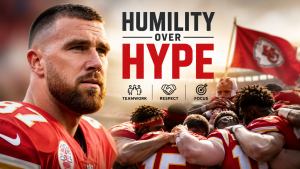
The Intersection of Loyalty and Professional Accountability
Professional teams are often described as families. Athletes spend more time with their teammates than with their biological kin, forging deep bonds through shared struggle, victory, and the grind of daily practice. However, this intense loyalty can sometimes create an insular environment where the internal narrative becomes disconnected from the reality of the external world. When a teammate faces legal consequences for serious actions—such as reckless behavior leading to injury—the challenge becomes how to maintain that bond without appearing to undermine the severity of the offense.
True humility in a professional setting requires the ability to distinguish between supporting a person as a human being and endorsing or downplaying their actions. When teams rally behind a player in a way that feels performative or defiant, it often backfires, creating a “hype” that prioritizes the internal locker room culture over the values of the broader community. Learning to balance these competing interests is one of the most important lessons in personal and professional development.
Why Hype Often Masks a Lack of Perspective
Hype is the currency of modern sports culture. It is driven by social media, viral moments, and the need for constant narrative engagement. However, hype is rarely reflective of deep wisdom or careful consideration. When players engage in gestures that become lightning rods for controversy, they are often caught in the momentum of the moment. They may feel that by wearing a shirt or making a public statement, they are doing the “right” thing for their teammate.
Yet, this type of reaction is often reactive rather than thoughtful. It fails to account for the victims of the situation, the responsibility of the organization, or the long-term impact on the team brand. Humility, by contrast, involves stepping back and asking, “Is this action truly helpful, or does it merely serve to keep us in the headlines for the wrong reasons?” Developing the capacity for introspection prevents professionals from falling into the trap of reflexive solidarity that can ultimately harm the collective.
The Role of Leadership in Shaping Culture
Leadership in any organization—whether it is a football team or a corporate office—is about setting a standard that transcends the immediate emotional response of the group. Coaches and senior players are tasked with the difficult job of managing egos, talent, and personal crises. The lesson learned from recent public relations stumbles is that silence or nuanced communication is often more powerful than a grand, symbolic gesture.
When leadership fails to provide a clear moral compass, the vacuum is filled by “hype.” Instead of focusing on accountability, the team becomes distracted by the optics of their own behavior. For those in leadership roles, the strategy must be to foster an environment where teammates can support each other privately and constructively, rather than turning their internal struggles into public spectacles that demand external validation.
Avoiding the Pitfalls of Performative Support
In many instances, the desire to show support is genuine, but the medium chosen to express it is flawed. This is where many professionals lose their way. They view their platform as an extension of their personal feelings, forgetting that their platform is also an asset that carries significant weight. Performative support—such as slogans on clothing or social media posts—rarely captures the complexity of a situation. It simplifies a multifaceted legal or ethical crisis into a binary of “us versus them.”
To practice humility, one must be willing to sit with the discomfort of a situation. If a teammate has committed a serious error, it is okay to refrain from public comment. It is okay to admit that the situation is complicated. By avoiding the temptation to project a simplified narrative to the public, professionals maintain their integrity and keep the focus where it belongs: on personal growth and team objectives.
Building Resilience Through Self-Reflection
Self-improvement is not just about physical performance or strategic skill; it is about character development. Athletes who dedicate time to understanding their impact on the community are better equipped to handle the pressures of professional life. This involves seeking counsel outside of the immediate echo chamber. It means listening to criticism, even when it is sharp or sarcastic, and determining whether there is truth at the core of that critique.
When someone like a former player or an objective analyst points out a failure in judgment, the humble response is to pause and reflect. Ignoring or dismissing such feedback as “haters” or “media noise” is a defensive posture that precludes growth. True professionals understand that their reputation is a composite of their actions over time. One bad decision, amplified by a poorly thought-out gesture, can jeopardize years of hard-earned goodwill.
Lessons for Navigating High-Pressure Environments
The events that unfold in the public eye serve as cautionary tales for all of us, regardless of our career field. Here are key takeaways for maintaining professional dignity in difficult times:
-
Prioritize Principles Over Popularity: In the heat of a crisis, popularity (or the approval of your peers) can seem like the most important thing. However, long-term success is built on principled behavior that stands the test of public scrutiny.
-
Understand the Weight of Your Platform: Whether you have ten followers or ten million, your communication carries consequences. Before acting, consider the impact of your actions on stakeholders who may be hurt or negatively influenced.
-
Practice Nuanced Communication: Life is rarely black and white. Don’t feel pressured to pick a side publicly in situations that require legal or personal resolution. Sometimes, the most professional thing to do is to wait for the facts.
-
Seek Diverse Perspectives: If your entire circle agrees with a potentially controversial action, you are likely in an echo chamber. Seek out viewpoints that challenge your assumptions to ensure your perspective remains grounded.
-
Focus on Controllables: In any crisis, energy is finite. Direct your focus toward the work you are doing and the standard you are setting, rather than reacting to external narratives that you cannot control.
The Long-Term Impact on Team Cohesion
Ultimately, a team that is distracted by off-field controversies is a team that is not firing on all cylinders. The energy spent defending questionable public gestures is energy that could be better spent on professional excellence. When a team operates with humility, there is an unspoken agreement that the collective goal matters more than individual optics. This creates a culture of trust where members hold each other accountable, not just for their athletic performance, but for their conduct as representatives of the organization.
The “hype” cycle is exhausting. It leads to burnout and a sense of detachment from the core values of the sport or profession. By choosing to prioritize humility, leaders can guide their organizations toward a more sustainable path. This does not mean losing the passion or the fire that drives professional success; rather, it means channeling that passion into areas where it can have a positive, lasting impact.
Embracing the Complexity of Human Behavior
We must recognize that every individual is capable of mistakes. The goal of professional development is not to achieve perfection, but to learn how to navigate the aftermath of those mistakes with grace and accountability. When we support a teammate who has erred, we must do so in a way that encourages their rehabilitation rather than validating their misconduct.
This is the hardest lesson of all: how to be a friend while also being a steward of values. It requires a level of maturity that is often tested in the high-stress environment of professional sports. Those who master this balance become the legends—not just for what they did on the field, but for the character they displayed throughout their careers.
Conclusion
The controversy surrounding the “Free 4” shirts serves as a vivid reminder that in the eyes of the public, symbols are powerful and intent is often secondary to perception. For professionals in any industry, the lesson is clear: humility is a competitive advantage. It allows you to navigate the complexities of life without losing sight of the broader impact of your actions. By valuing long-term reputation over short-term “hype,” and by holding teammates accountable while still offering support, professionals can create a culture that is both successful and morally sound. As we move forward, let us remember that the way we handle our toughest moments defines our character more than any championship ring ever could.
Frequently Asked Questions (FAQs)
1. Why is humility considered important in professional sports? Humility allows athletes to see beyond their own immediate bubble. It fosters an environment where players can accept feedback, recognize the impact of their actions on the community, and focus on personal growth rather than feeding into reactive, viral hype.
2. How can teams support a player during a legal crisis without appearing to condone their actions? Support can be provided through private, personal channels—such as checking in on their mental health or offering mentorship—rather than through public gestures that may be perceived as a statement against the legal process or the victims involved.
3. What does “performative support” mean in a professional context? Performative support refers to actions taken solely for the sake of appearances, such as wearing a specific shirt or posting on social media, which may prioritize the optics of solidarity over addressing the actual underlying issues of accountability.
4. How can leadership balance locker room morale with public perception? Effective leaders prioritize clear communication and internal standards. They ensure that the team understands the difference between personal loyalty and professional responsibility, ensuring that internal support does not become a source of external controversy.
5. What is the most effective way for an athlete to handle intense public scrutiny? The most effective approach is to remain focused on personal and professional growth, avoid getting caught up in the cycle of reactive social media responses, and rely on trusted mentors who can provide an objective perspective on the situation.