
When global platforms recognize the world’s most influential figures, the conversation often centers on the loudest voices or the most disruptive actions. However, a deeper analysis of modern leadership reveals a shift toward a different kind of power. Influence is no longer just about volume; it is about the strategic use of presence, the clarity of message, and the endurance of truth.
Taylor Swift stands as a primary example of this evolution. While her commercial success is undeniable, her true impact lies in how she navigates the space between public expectation and personal agency. By observing her trajectory, we can extract vital life lessons on how to cultivate “quiet influence”—a form of authority that does not need to demand attention because it has already earned it.
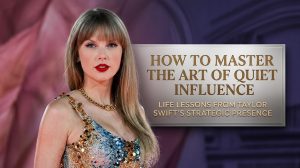
The Architecture of a Quiet Presence
In a digital age defined by the “attention economy,” there is a constant pressure to perform. Many individuals believe that to be influential, they must be visible at all times, reacting to every trend and shouting to be heard above the noise. Yet, the most compelling form of influence often manifests as a steady, measured presence.
Mastering the art of quiet influence begins with the understanding that you do not need to prove your worth in every room you enter. There is a specific kind of power in walking into a space without theatrics or urgency. This “different kind of entrance” is built on years of self-definition and the refusal to let external scrutiny dictate one’s internal value. When you are grounded in your identity, your silence carries as much weight as your words.
For the modern professional or creator, this means focusing on substance over spectacle. Influence is not a performance; it is a byproduct of consistency. When you stop seeking immediate validation, you gain the freedom to move with a sense of purpose that others find naturally magnetic.
The Philosophy of Lasting Truth
One of the most significant pillars of strategic influence is the commitment to a “truth that lasts.” In an era where images can be manufactured and narratives can be manipulated, authenticity has become the most valuable currency.
For Swift, this philosophy is rooted in emotional specificity. By turning private moments into shared experiences, she has built a bridge between her personal reality and a global audience. This teaches us a crucial life lesson: vulnerability is not a weakness; it is a strategic tool for connection.
To apply this to your own life and career, consider the following:
-
Prioritize Clarity over Volume: Say what is necessary, but ensure that what you say is rooted in your core values.
-
Choose Vulnerability over Distance: Professionalism does not require emotional detachment. Being human and relatable builds trust, and trust is the foundation of influence.
-
Commit to Long-term Narratives: Short-term wins are easy to manufacture, but a legacy is built on the consistent repetition of your truth over time.
Measuring Impact Beyond Traditional Metrics
It is easy to measure success through numbers—titles, salaries, or social media followers. However, true influence asks a different question: Who is shaping the way people think and feel?
Strategic presence is measured by the ripples an individual creates across their industry. It is seen in how others redefine their own creative control or how public narratives are challenged. When you master quiet influence, your success is not just about what you achieve, but how your achievements empower others to change their perspective.
This shift from “celebrity” to “voice” is essential for anyone looking to make a lasting impact. A celebrity is a figure who is watched; a voice is a force that is followed. To move from the former to the latter, one must evolve without losing their core identity. This requires a rare balance of reinvention and consistency—treating life as a series of connected chapters rather than a collection of disjointed trends.
Intentionality in the Age of Constant Performance
Visibility is constant today, making it harder to maintain a sense of self that isn’t performative. The art of quiet influence suggests that we should not avoid the spotlight, but rather use it intentionally.
Strategic presence is often:
-
Measured rather than reactive: Taking the time to process information before responding prevents the dilution of your message.
-
Personal without being performative: Sharing your journey in a way that provides value to others, rather than just seeking praise.
-
Purposeful without being overstated: Every action should align with a larger goal.
By being intentional with your presence, you avoid the trap of becoming “background noise.” When you speak less often, but with more purpose, the room shifts when you finally do choose to contribute.
The Gradual Shift of Perception
Real influence often works quietly at first. It is a gradual impact that is often only recognized after it has already changed the landscape. This is the “moment that changes the room”—not through a sudden explosion of energy, but through a steady accumulation of substance.
When people stop focusing on the fame or the external markers of success and start recognizing the substance beneath, a deeper connection is formed. This is where relevance transforms into legacy. To achieve this, one must have the patience to allow their work and their character to speak for themselves. In a world driven by speed, reflection and patience are competitive advantages.
A Legacy in Motion
The most effective leaders and influencers understand that their story is never truly finished. They remain an active force, constantly evolving their skills and expanding their creative or professional boundaries. This ongoing momentum separates those who are temporarily relevant from those who are building a legacy in progress.
In a culture that prizes the new and the next, there is immense power in being the person who remains grounded while everyone else is chasing the horizon. Consistency, when expressed quietly but firmly, becomes a formidable force.
Ultimately, the lesson of quiet influence is that truth has lasting weight. Whether you are leading a team, building a brand, or simply navigating your personal life, remember that the most profound shifts often happen when the noise stops. By mastering your presence and staying true to your narrative, you can reshape the culture around you without ever having to raise your voice.
Frequently Asked Questions (FAQs)
What is the definition of “Quiet Influence”? Quiet influence is the ability to affect the thoughts, behaviors, and culture of a group through a steady, authentic presence rather than through overt demands for attention or loud, reactive behavior. It is rooted in competence, consistency, and a well-defined personal identity.
How can I apply the “Truth Lasts” philosophy to my career? You can apply this by focusing on authenticity and long-term goals. Instead of chasing short-term trends or manufacturing an image to please others, focus on developing skills and messages that align with your core values. Over time, this consistency builds a reputation that is much harder to discredit or forget.
Does quiet influence mean being introverted? Not necessarily. While introverts may find quiet influence more natural, it is a strategic choice rather than a personality trait. Both extroverts and introverts can practice quiet influence by choosing to be more intentional, measured, and purposeful in their public and professional interactions.
Why is vulnerability considered a strategic tool? In a professional context, vulnerability creates a sense of relatability and trust. When a leader or influencer shares their challenges or the specific emotions behind their work, it humanizes them. This connection encourages loyalty and engagement from an audience or team, making the influence more profound and lasting.
How do I know if my presence is “performative”? A presence is performative when the primary goal is to gain immediate validation or to fit a specific external expectation. You can identify this by asking yourself if your actions would remain the same if no one were watching. Purposeful presence, on the other hand, is driven by internal goals and the desire to provide genuine value.