
In the quiet corridors of Kensington Palace, Prince William and Catherine, the Princess of Wales, are orchestrating a life that appears to be the definition of serenity. Having settled into their new home, Forest Lodge, and with the Princess now in remission from cancer, the couple is enjoying a season of peace. Yet, behind the scenes, the mechanics of modern monarchy remain as complex as ever. The recent appointment of communications expert Liza Ravenscroft has sparked global curiosity. While the Palace maintains that this is a standard addition to their press office, the timing invites a deeper look into the strategic mindset of the future King.
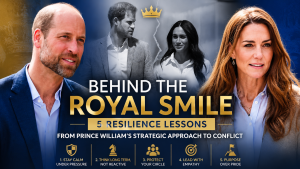
Prince William, now firmly established in his role as the head of the Duchy of Cornwall, understands that leadership—whether in a billion-pound estate or a family dynamic—requires a proactive approach to potential turbulence. For those watching from the outside, his journey offers profound insights into maintaining composure and resilience in the face of shifting public and private pressures. Here are five resilience lessons drawn from the Prince’s strategic approach to navigating complex environments.
1. The Art of Calm Amidst External Turbulence
Prince William has consistently demonstrated the ability to remain the “calm amid the storm.” This is a crucial trait for anyone facing professional or personal challenges. When the world around you is noisy, filled with speculative headlines or external crises involving other family members—such as the ongoing challenges facing the King regarding Prince Andrew—the ability to stay grounded is your greatest asset.
Resilience is not about ignoring the storm; it is about maintaining your focus on your immediate responsibilities. William’s dedication to the Duchy of Cornwall and his commitment to his family life in Windsor demonstrate that the most effective way to deal with external chaos is to deepen your commitment to your internal stability. By prioritizing his role as a father and a steward of his estate, he effectively insulates his household from the volatility of external gossip.
2. Proactive Preparation: Defining Your Future
The narrative of “Project Thaw” and the various media pressures surrounding the potential return of the Duke and Duchess of Sussex to the UK highlights a critical lesson: preparation is the best defense. Prince William does not wait for a crisis to occur before building the systems necessary to manage it.
Hiring professionals with diverse backgrounds in communications and crisis management—regardless of the current label of the role—shows a forward-thinking mindset. In your own life, this means identifying potential “flashpoints” in your career or personal relationships before they ignite. Whether it is updating your skills, seeking mentorship, or setting firm boundaries, proactive preparation ensures that you are never caught entirely off guard by shifts in your environment.
3. Maintaining Integrity in the Face of PR Offensives
One of the most challenging aspects of modern public life is the “PR offensive.” We live in an era where narratives are shaped by media campaigns, social media discourse, and calculated “source-led” stories. Prince William’s approach to these challenges is one of quiet consistency.
Rather than engaging in a tit-for-tat public war, which often only serves to escalate tensions, William focuses on the long game. He and Catherine continue to top opinion polls not by manipulating the press, but by doing the work, showing up for their engagements, and remaining authentic to their core values. This resilience lesson is vital for anyone facing workplace politics or public criticism: your reputation is best defended by the quality of your output and the consistency of your character, not by your response to every negative rumor.
4. The Value of the Forever Foundation
The move to Forest Lodge is more than just a real estate decision; it represents the creation of a “forever home”—a place of refuge and security. Building resilience requires having a sanctuary, a physical or mental space where you can recharge away from the pressures of your public or professional role.
For William and Catherine, their home life provides the psychological ballast needed to handle the demands of their future roles as King and Queen. They understand that to perform at a high level, one must first protect the foundation of their private life. When your private life is stable, it becomes significantly easier to manage the demands of the “rival” interests and professional crises that threaten to disrupt your focus.
5. Embracing Adaptive Leadership
The appointment of Liza Ravenscroft, a specialist with experience in corporate risk, boycott campaigns, and complex ethical challenges, highlights the importance of adaptive leadership. A leader must be willing to bring in expertise that challenges their comfort zone.
William is showing that he is prepared to bridge the gap between traditional royal protocols and the realities of modern media. He recognizes that the rules of engagement are changing, and he is evolving accordingly. In your own professional journey, staying resilient means being agile. It means recognizing when your current strategy is no longer sufficient and being humble enough to bring in the right tools and talent to help you navigate the next chapter. It is about understanding that the skills that got you to your current position may not be the same ones that carry you through the next crisis.
Turning the Page: Anticipating Future Challenges
The reality for the Prince and Princess of Wales is that the monarchy will continue to face scrutiny. As they prepare for the future, the integration of new strategies and new voices into their team is a testament to their maturity. They are not choosing to retreat from the world, but rather to prepare for it more intelligently.
The lessons they provide are universal. By focusing on internal stability, preparing for potential conflict before it arises, and refusing to be drawn into unproductive public debates, they are creating a blueprint for resilience that can be applied to any sector. Whether you are navigating a corporate environment, leading a team, or simply managing the complexities of family life, the ability to anticipate the “storm” while continuing to plant your garden is the hallmark of true leadership.
As we look toward the future, it is clear that the Prince’s quiet resolve will be his greatest strength. By treating every challenge as a learning opportunity and staying true to his primary duty, he is demonstrating that even in the face of persistent external pressures, one can retain their dignity, their focus, and their peace.
Frequently Asked Questions (FAQs)
1. Why is the appointment of a crisis manager significant for Prince William? The appointment of a communications expert with a background in crisis management, such as Liza Ravenscroft, suggests a proactive shift in the Kensington Palace communications strategy. It indicates an acknowledgment that the Royal Family faces evolving media challenges and that the Prince is preparing for a future that may involve complex public relations issues.
2. How does Prince William maintain his popularity despite media scrutiny? Prince William maintains high popularity by focusing on consistent public service, maintaining a grounded family life, and avoiding engagement in public disputes or media “wars.” His strategy relies on long-term reputation building rather than short-term media reactions.
3. What is “Project Thaw,” and how does it affect the Prince? “Project Thaw” is a term often used in media commentary to describe a perceived effort by establishment figures to improve the public relationship between the British Royal Family and the Duke and Duchess of Sussex. It is considered a potential source of future friction for Prince William and Catherine as they work to establish their own roles as the future King and Queen.
4. Can these resilience lessons be applied to everyday life? Yes. These lessons—such as staying calm amidst chaos, preparing for potential issues in advance, and focusing on character rather than reacting to gossip—are fundamental to resilience in both personal life and professional career management.
5. How does Prince William manage his responsibilities with the Duchy of Cornwall? William manages his role through structured leadership and delegation. By treating the Duchy as a significant responsibility requiring professional oversight, he balances his commitment to the estate with his broader royal duties, ensuring he remains focused on long-term sustainability rather than day-to-day distractions.