
In the complex tapestry of personal and professional life, few dynamics are as challenging to navigate as the intersection of close personal relationships and formal influence. Whether in a family business, a high-stakes corporate environment, or public governance, the tendency to favor those we are closest to—often referred to as “indulging” loved ones—can carry profound risks. When emotional bonds bypass the necessary rigor of objective vetting, meritocracy, and due diligence, the results can be catastrophic, leading to a erosion of trust, legal jeopardy, and lasting damage to one’s personal legacy.
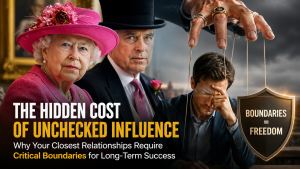
The recent revelations regarding the late Queen Elizabeth’s role in securing a high-level government trade envoy position for Prince Andrew offer a stark, high-profile case study in the dangers of unchecked influence. While the familial desire to support and elevate a loved one is a natural human impulse, this narrative serves as a reminder that without established boundaries and objective standards, even the most well-intentioned acts of support can backfire, resulting in severe professional and personal consequences. By examining this situation through the lens of life strategy and self-improvement, we can glean vital lessons on why maintaining critical distance in our most intimate relationships is essential for long-term integrity and success.
The Illusion of Unqualified Support
At the heart of the issue involving the former Duke of York was a notable lack of formal due diligence. Reports indicate that officials found no evidence that a vetting process was ever undertaken or even considered. This failure occurred despite the concerns raised by other members of the royal family, including the then-Prince of Wales, who reportedly felt that the appointee was not adequately qualified for the demands of the role.
In our own lives, we often encounter similar scenarios. We may feel pressured to recommend a family member for a job, give preferential treatment to a friend, or overlook the shortcomings of a loved one because we value the relationship above objective performance. This is the “illusion of support.” We believe we are helping by opening doors, but in reality, we may be setting those we care about up for failure by placing them in roles they are not prepared to handle.
True support is not about removing hurdles or bypassing rules; it is about providing the tools, mentorship, and honest feedback necessary for someone to achieve success on their own merits. When we use our influence to “indulge” others rather than empower them, we remove the very crucible of experience required to build genuine competence.
Why Boundaries Are the Foundation of Integrity
The absence of boundaries is rarely the result of malicious intent; it is usually the product of proximity and sentiment. When we are too close to a situation, our judgment becomes clouded by emotion. We prioritize our immediate comfort—avoiding the awkward conversation or the guilt of saying “no”—over the long-term health of our endeavors.
To maintain integrity, it is essential to institutionalize boundaries, even in our personal lives. This means:
-
Separating Roles: Clearly define the difference between your role as a parent, spouse, or friend, and your role as a professional or decision-maker. These identities should not overlap when high-stakes decisions are being made.
-
Implementing Objective Vetting: If you are in a position of influence, create a “neutral third party” system. If you are considering someone close to you for an opportunity, require them to go through the same rigorous vetting process as any other candidate. If they cannot pass that test, they are not qualified for the position.
-
Welcoming Dissent: As seen in the case of King Charles, who questioned the appointment, there is often someone in the inner circle who can see the potential for disaster. By actively seeking and listening to dissenting opinions, we can catch blind spots that our emotional biases prevent us from seeing.
The Cumulative Effect of Neglecting Due Diligence
The consequences of failing to implement these boundaries are rarely immediate. They accumulate slowly, like sediment, until they reach a breaking point. When a person is placed in a role without the necessary vetting, they often lack the experience to navigate the complexities of that environment. This leads to poor decision-making, which in turn leads to scrutiny. Eventually, the initial lapse in judgment—the decision to grant the role in the first place—becomes a target for public or institutional investigation.
For those in leadership, this represents a significant threat to personal branding and legacy. When our influence is used inappropriately, it is not just the person we promoted who suffers; our own reputation, credibility, and authority are compromised. In the public eye, this can lead to a loss of reverence and trust, turning symbols of stability into points of contention.
Navigating the Emotional Cost of “No”
The hardest part of maintaining these boundaries is the emotional toll. It is painful to deny a request from a loved one or to admit that someone close to you is not the right person for a task. However, this discomfort is a necessary trade-off for long-term health.
When we prioritize the long-term success of our organizations and our own integrity over short-term social harmony, we actually provide a form of “tough love.” By refusing to place someone in a situation they cannot succeed in, we protect them from the eventual fallout of failure and public scrutiny. We force them to focus on areas where they can truly add value, rather than chasing titles or positions that serve only to satisfy ego or familial expectations.
Sustaining Success Through Radical Honesty
If you find yourself in a position where you have the power to influence the trajectory of those around you, take a moment to evaluate your current relationships. Ask yourself: Are you empowering them to grow, or are you shielding them from reality?
Radical honesty is the ultimate form of self-improvement. It requires us to look at our family and friends with the same level of scrutiny we apply to our own work. It asks us to prioritize the truth over the path of least resistance. While this may cause temporary friction, it is the only way to ensure that your influence contributes to a sustainable, positive impact rather than becoming a liability that threatens everything you have built.
Lessons from History and the Present
History is replete with examples of powerful figures whose legacies were tarnished not by their own actions, but by their inability to manage the influence of those closest to them. The lesson is consistent: power must be checked by process. Whether you are a business owner, a community leader, or simply a professional building a career, your integrity is your most valuable asset. Once compromised by the appearance of bias or the failure of due diligence, it is incredibly difficult to recover.
By implementing strict standards, embracing objective evaluation, and acknowledging the hidden costs of our influence, we can build relationships—and legacies—that stand the test of time.
Frequently Asked Questions (FAQs)
1. Why is due diligence so important when dealing with family or friends? Due diligence ensures that decisions are based on competence and merit rather than emotional bias. When you bypass these processes for family or friends, you create a risk of failure that can damage both your reputation and the long-term prospects of the individual you are trying to help.
2. How can I set boundaries with loved ones without harming the relationship? Transparency is key. Explain your reasoning clearly, emphasizing that your role requires adherence to specific standards for the good of the organization or the project. True friends and family will respect your need to maintain integrity, even if they are initially disappointed.
3. What should I do if I see someone I care about being given a role they are not qualified for? If you are in a position to influence the situation, speak up privately. Present your concerns in a constructive, evidence-based way. If you have no formal power, focus on providing honest feedback to the individual about the risks they might face by taking a role that doesn’t align with their current skills.
4. How does “angle-shifting” or changing my focus help in these situations? By shifting the focus from the drama of a specific news event to the underlying principle (in this case, the cost of unchecked influence), you can transform a negative story into a constructive lesson. This helps you and your audience develop better life strategies, ensuring that you don’t repeat the mistakes seen in high-profile cases.
5. Is it ever acceptable to favor those we are close to? It is natural to want to provide opportunities to those we know and trust. However, this is only acceptable if the individual goes through the same vetting process as all other candidates. If they are the best person for the job after a fair and objective evaluation, then their relationship to you is incidental to their success.