
In an era dominated by the relentless pursuit of accumulation, a major shift in how we define success, legacy, and wealth is quietly taking place at the highest levels of society. When individuals or institutions holding vast generational wealth choose to voluntarily downsize, liquidate, or redistribute their assets, it forces a profound reconsideration of what it means to be truly wealthy. A prime example of this modern mindset shift can be seen in the recent strategic restructuring of the Duchy of Cornwall, a billion-pound royal estate in Britain. By preparing to sell off approximately one-fifth of its historic landholdings to fund a massive 500-million-pound social and environmental initiative, the estate offers a powerful blueprint for personal growth, strategic sacrifice, and purpose-driven living.
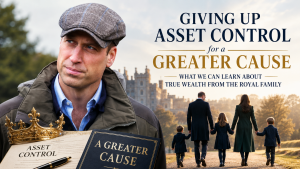
True wealth is not merely a reflection of what you accumulate, but rather the measurable, positive impact you leave on the world around you. Transitioning from a mindset of absolute ownership to one of intentional stewardship provides invaluable life lessons for anyone looking to build a meaningful legacy, optimize their personal resources, and achieve a deeper sense of fulfillment.
The Power of Strategic Sacrifice: Letting Go to Grow Larger
At some point in life, many people find themselves overwhelmed by the sheer volume of responsibilities, commitments, or physical assets they manage. The psychological burden of maintaining “more” often dilutes the ability to excel in areas that actually matter. The decision to divest from 20 percent of a massive, historic portfolio demonstrates that letting go of a portion of your current security is often the exact catalyst required to fuel future, high-impact growth.
In personal development, this is known as strategic downsizing. Whether it involves decluttering physical spaces, stepping away from profitable projects that no longer align with your core values, or reorganizing personal investments, cutting out the non-essential creates the financial and mental bandwidth needed to tackle greater challenges. When you refuse to be defined solely by the scale of your assets, you free yourself to focus on initiatives that generate long-term, sustainable value for your community and your family.
Redefining Asset Management: Moving from Ownership to Impact
For centuries, success has been measured by the size of one’s estate, portfolio, or bank account. However, a modern approach to wealth requires a fundamental shift from treating assets as trophies to viewing them as active tools for change. As leadership frameworks evolve, top-tier strategists emphasize that a portfolio should not exist simply for the sake of ownership. Instead, every resource you control should actively justify its place in your life by generating tangible good.
When evaluating your own life tips and financial strategies, consider adopting a “heartland” approach. Identify the core areas of your life—such as personal health, family well-being, skill development, or local community support—where your time, energy, and money can achieve the most profound results. If a specific asset, hobby, or investment does not offer a clear opportunity for positive impact or personal growth, it may be time to exit that space entirely. Pouring those freed resources into high-need areas allows you to achieve maximum efficiency and deep personal satisfaction.
Balancing Commercial Success with Social Responsibility
One of the greatest challenges in self-improvement and financial management is navigating the “seesaw” between commercial necessity and ethical responsibility. To create the freedom to do good, one must often maintain a sharp, practical edge in baseline operations. Generating a strong, sustainable stream of income is not inherently selfish; rather, it provides the essential foundation required to fund ambitious charitable, social, or environmental goals.
However, leaning too heavily into an “overly commercial” mindset without regard for the human element can lead to intense friction, public criticism, and personal burnout. True leadership requires an ongoing dialogue with those affected by your financial decisions. Whether dealing with tenants, business partners, or family members, ensuring that commercial transitions are handled with empathy and open communication prevents the unnecessary stress and instability that often accompanies sudden organizational shifts. True wealth involves lifting others up as you optimize your own trajectory.
Investing in Long-Term Sustainability and Community Longevity
A legacy that only looks a year or two into the future is inherently fragile. To build something that withstands the test of time, investments must be directed toward future-proof sectors: green energy, affordable living spaces, and regional economic stability for the next generation. Incorporating these principles into your personal life tips means looking beyond immediate gratification and focusing heavily on generational sustainability.
Key Pillars of a Purpose-Driven Investment Mindset:
-
Environmental Stewardship: Allocating resources toward renewable energy, conservation, and reducing your personal carbon footprint ensures a healthier world for future generations.
-
Supporting the Next Generation: Creating opportunities, expanding local facilities, or funding educational ventures helps younger individuals remain rooted and thrive in their native communities.
-
Affordable and Secure Environments: Prioritizing safe, accessible, and stable environments—whether in real estate development or personal household planning—strengthens the foundational social fabric.
Conclusion: True Wealth as a Dynamic Legacy
Ultimately, the traditional definition of wealth as a static, hoarded fortune is rapidly becoming obsolete. True wealth is dynamic, fluid, and defined by its capacity to solve systemic challenges, heal environment strains, and uplift human lives. By treating assets not as permanent possessions but as vehicles for meaningful change, you shift your life story from one of mere accumulation to one of profound global impact. Prioritizing purpose over raw percentage growth ensures that your personal legacy remains vibrant, respected, and enduringly relevant.
Frequently Asked Questions (FAQs)
What does “angle-shifting” mean in the context of personal development?
Angle-shifting is an editorial and cognitive strategy where high-profile current affairs or global events are analyzed through a practical lens to extract universal life tips, leadership strategies, and self-improvement advice. It allows individuals to learn from large-scale global shifts and apply those high-level concepts directly to their daily routines and personal financial planning.
How can a person implement strategic downsizing without losing financial security?
Strategic downsizing does not mean reckless liquidation. It involves identifying the bottom 15 to 20 percent of assets, projects, or commitments that demand high maintenance but offer low fulfillment or minimal social value. By selling or exiting these specific areas, you can consolidate your capital and energy, redirecting them into high-yield, purpose-driven core areas that offer better long-term security and peace of mind.
Why is balancing a commercial mindset with empathy crucial for true success?
Focusing exclusively on profit maximization can alienate your community, damage relationships, and create intense environmental or emotional stress. True success requires balancing commercial efficiency with social awareness, ensuring that your financial growth does not come at the direct expense of others’ well-being.
How does investing in sustainability contribute to personal wealth?
Investing in sustainability—such as renewable energy, regional community support, and eco-friendly practices—protects your portfolio against future regulatory shifts, reduces long-term resource costs, and creates a stable, healthy environment. This stable environment is absolutely essential for preserving both personal well-being and generational wealth.