The conversation surrounding modern beauty standards has reached a pivotal turning point, sparked by high-profile public figures choosing authenticity over cosmetic perfection. When prominent individuals step into the spotlight without the armor of heavy makeup, it does more than just trend on social media; it ignites a fierce debate over aging, public expectations, and the intense societal pressure placed on women to maintain an flawless appearance. Recent public appearances by high-profile women have brought these underlying tensions to the surface, illustrating a deeper cultural conflict between traditional grooming expectations and the growing movement toward self-acceptance.
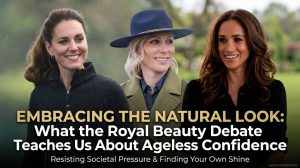
For generations, women in the public eye—particularly those associated with institutional or royal traditions—have been bound by unwritten rules of presentation. Flawless foundation, meticulously styled hair, and a perfectly polished exterior were considered non-negotiable elements of public duty. However, a distinct shift is occurring. Figures who traditionally epitomized high-glamour and rigid formality are increasingly choosing to display their natural skin, complete with fine lines, uneven skin tones, and the normal signs of aging. This transition from curated perfection to raw reality offers valuable life lessons on cultivating genuine confidence and navigating the critical gaze of modern society.
The Catalyst of the Modern Beauty Debate
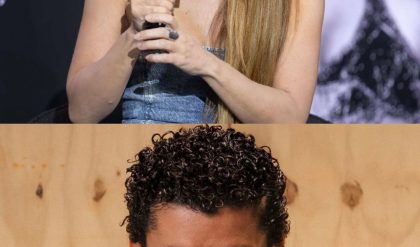
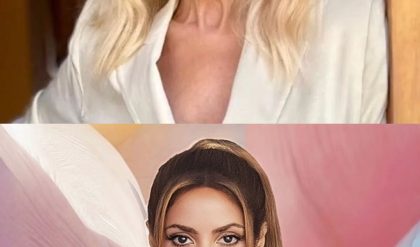
The recent discourse gathered momentum following a high-profile appearance at the MARS Badminton Horse Trials, where a prominent figure chose to attend completely base-free, sporting only a touch of mascara. This choice to forego a full face of cosmetics at a heavily photographed event immediately polarized public opinion. While many praised the decision as a refreshing display of authenticity, a vocal segment of onlookers reacted with harsh criticism, launching debates online and comparing her natural appearance to other public figures, with some critics harshly suggesting the look made her appear older than her actual age.
This backlash highlights a painful societal truth: women are frequently caught in an inescapable double standard regarding aging and aesthetics. If a woman utilizes cosmetic procedures, heavy makeup, or filters to maintain a youthful visage, she is often criticized for being artificial or refusing to age gracefully. Conversely, if she steps out bare-faced, she faces scrutiny for looking tired, unpolished, or neglected. The tendency for public commentary to swiftly drag other high-profile figures into the comparison—pitting women against one another based on their aesthetic choices—further demonstrates how deeply ingrained these judgmental patterns remain in global culture.
The Psychology Behind the Bare-Faced Movement
Choosing to display a fresh-faced look in a highly critical environment is a profound psychological statement. Industry experts note that going makeup-free is often an intentional effort to convey empathy, approachability, and authenticity. When public figures strip away the layers of cosmetics, they dismantle the invisible barrier that separates them from the everyday public. It signals a desire to be seen as a real person navigating real life, rather than a detached symbol of unattainable glamour.
This approach has been mirrored by various global figures in more relaxed, domestic settings. For instance, appearing in casual video clips or sharing candid, unedited family moments on social media platforms allows these individuals to showcase their relaxed selves. This tactical vulnerability plays directly into a broader narrative of mental well-being and self-care. It reminds observers that downtime is essential for everyone, regardless of status, and that no one can—or should—maintain a performance of flawless perfection twenty-four hours a day.
Redefining Elegance Across Global Cultures
The movement toward minimal beauty routines is not isolated to a single individual or region; it reflects an evolving global phenomenon. From European aristocrats to international policymakers, women of various backgrounds are redefining what it means to be elegant. Prominent figures across Spain, Monaco, and the Netherlands have made headlines by ditching high-glamour cosmetics in favor of comfort and simplicity during demanding travel schedules or official site visits.
The Contrast of Expectations: Professional Duty vs. Personal Liberty
While the rise of natural appearance celebrates personal liberation, it also introduces a compelling debate regarding professional presentation and respect for tradition. Beauty industry specialists frequently argue that a distinct line should be drawn between personal downtime and official, public-facing duties.
-
The Argument for Polished Presentation: Proponents of traditional standards suggest that maintaining a highly polished, manicured appearance during formal engagements reflects respect for one’s position, organization, or country. Historically, iconic leaders were rarely, if ever, seen in public without their signature touch of cosmetics, such as a distinct shade of lipstick. From this perspective, grooming is viewed as a form of professional uniform that signals readiness and respect for the audience.
-
The Argument for Authentic Representation: Conversely, advocates for the natural look argue that authentic representation is far more respectful to the public than maintaining an illusion. By showing the real effects of a demanding schedule, aging, and everyday stress, leaders and influencers foster a deeper, more honest connection with their constituents and followers.
This tension demonstrates that true confidence does not lie in adhering strictly to one side of the debate, but rather in the autonomy to choose how one presents oneself to the world.
Life Tips for Cultivating Ageless Confidence
Navigating the societal pressures of beauty and aging requires a deliberate internal shift. The public discussions surrounding natural versus polished appearances provide practical insights that anyone can apply to their daily life to foster self-improvement and resilience.
1. Separate Self-Worth from External Validation
The quickness with which public commentators can turn a natural appearance into a fierce debate proves that external opinions are volatile and unpredictable. Basing your confidence on the approval of others is an unstable strategy. True self-improvement begins by defining your worth through your actions, values, and character, rather than your physical appearance.
2. Practice Progressive Exposure to the Natural Self
If you are accustomed to never leaving the house without a full face of makeup, the idea of going bare-faced can induce anxiety. Cultivate confidence by practicing progressive exposure. Try running short errands, attending casual gatherings, or participating in video calls with minimal cosmetics. Allow yourself and those around you to become familiar with your natural skin texture and features.
3. Shift the Focus to Skin Health and Longevity
Rather than investing excessive time and resources into concealing perceived imperfections, redirect that energy toward long-term skin health and overall wellness. Prioritize hydration, adequate sleep, balanced nutrition, and consistent sun protection. When your skin is healthy and well-nourished, it naturally projects a vitality that transcends the need for heavy cosmetic coverage.
4. Challenge Compulsive Comparisons
The societal tendency to compare one person’s appearance to another is a major source of insecurity. When you notice yourself comparing your skin, age, or style to someone else—whether a colleague or a celebrity on a digital screen—deliberately interrupt that thought process. Remind yourself that everyone is walking a unique path with different biological traits and life circumstances.
Conclusion: Balancing Tradition with Authenticity
The fierce beauty debates playing out on the global stage show that elegance and confidence do not always require a full face of cosmetics. Instead, the evolving approach of modern women balances tradition with authenticity. By showing the younger generation that it is entirely acceptable to be relaxed, bare-skinned, and comfortable in one’s own skin, these figures are dismantling the unrealistic expectations that have dictated women’s lives for decades.
True beauty is not a fixed standard; it is the freedom to choose. Whether you choose to glam up for a special event or embrace a completely bare face during your downtime, the ultimate goal is to move through the world with a sense of internal peace and ageless confidence.
Frequently Asked Questions (FAQs)
Why has the makeup-free look worn by public figures caused such a fierce debate?
The debate stems from a deep-rooted cultural expectation that women in prominent or official positions must always maintain a flawless, highly polished appearance. When a public figure chooses to appear bare-faced, it challenges these traditional grooming standards, causing a divide between those who view it as a powerful act of authenticity and those who see it as a departure from professional decorum.
Is it appropriate to go completely makeup-free in a professional workplace?
Appropriateness depends heavily on the specific workplace culture, industry standards, and personal preference. While many modern workplaces fully embrace natural appearances and prioritize comfort and authenticity, some traditional or client-facing environments still value a more conventional, polished presentation. The key is finding a balance that makes you feel confident, capable, and respectful of your professional environment.
How can I build the confidence to go out without wearing makeup?
Building confidence without makeup is a gradual process. Start by reducing the amount of product you use daily, transitioning from heavy foundation to lighter alternatives like tinted moisturizers, or choosing to focus only on a single feature like mascara. Concurrently, focus on establishing a robust skincare routine that enhances skin health, and practice shifting your internal narrative away from seeking external validation.
Does going bare-faced cause people to look older than their age?
Without cosmetic products like foundation and concealer, the skin’s natural textures, pigmentation variations, and fine lines are visible to the eye. While critics often mistakenly equate these natural characteristics with looking older, they are simply the normal, healthy markers of human aging. Embracing these features is a core component of the body-positivity and self-acceptance movements.
How can women resist societal pressure regarding aging and beauty standards?
Resisting societal pressure requires a conscious effort to filter out unrealistic media portrayals, challenge the urge to make personal comparisons, and celebrate diverse definitions of beauty. Surrounding oneself with supportive, like-minded communities and focusing on personal wellness, mental strength, and functional health rather than superficial aesthetics can significantly mitigate the impact of external societal demands.